What Happens to a Belly Button During a Tummy Tuck?
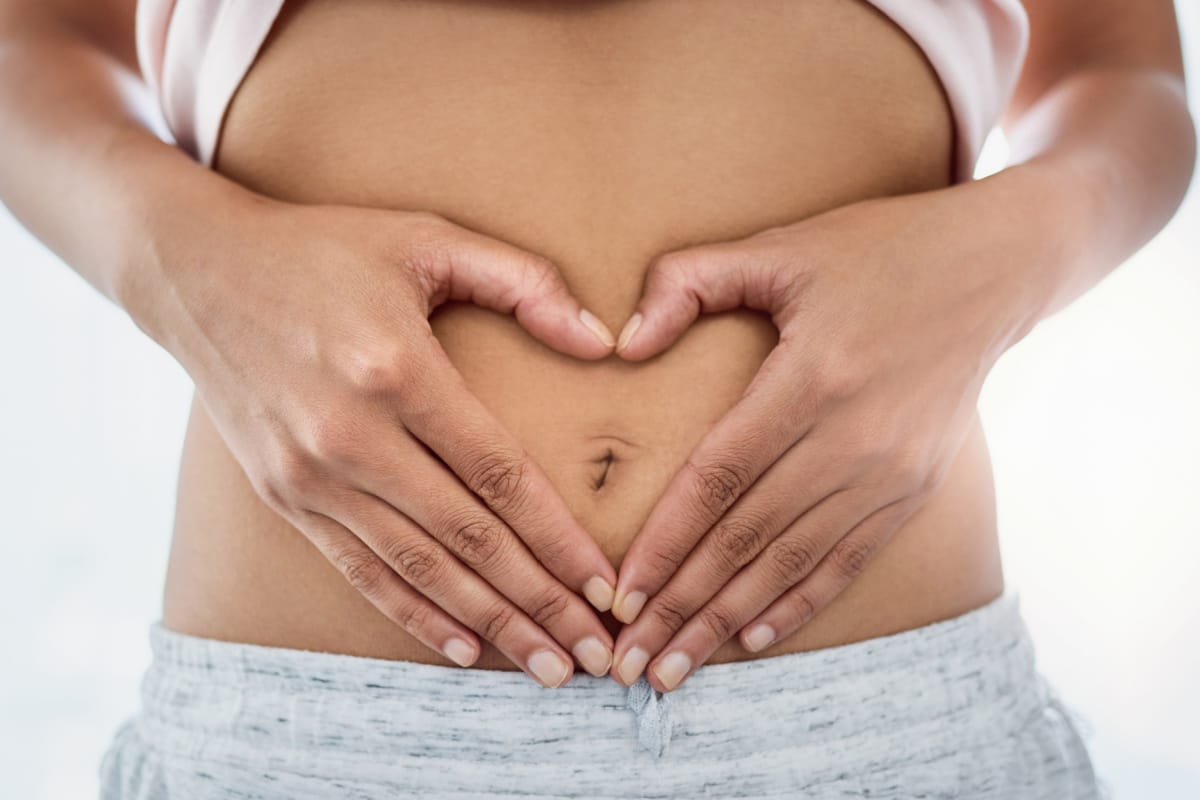
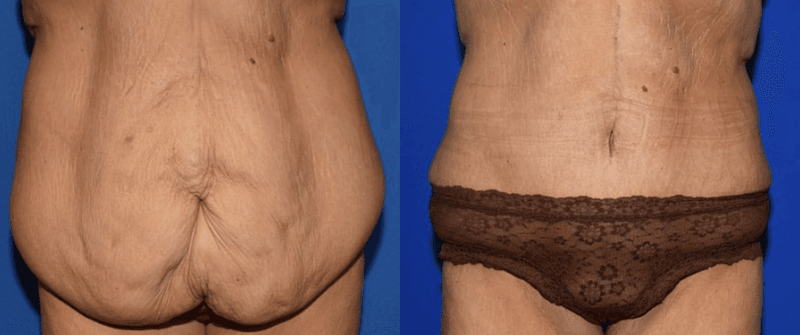
The belly button is a focal point of the abdomen, and its appearance after tummy tuck surgery is one of the first places we look when we see before and after results. A natural-looking belly button is a sign that the surgeon has exceptional skill and expertise.
Here, Cincinnati tummy tuck surgeon Dr. Mark Mandell-Brown explains exactly what happens to the belly button during a tummy tuck, and the meticulous steps he takes to make yours look even better than the one you were born with.
Does a Tummy Tuck Remove the Belly Button?
One of the biggest misconceptions about tummy tucks is that the belly button is removed and reattached. In reality, your belly button stays connected to its original stalk (called the pedicle) throughout the entire procedure.
During a tummy tuck, the skin and tissue surrounding the belly button are lifted and repositioned. Once the excess skin has been removed and the abdominal muscles have been tightened, the remaining skin is redraped over the abdomen. A new opening is then carefully created in the repositioned skin, and the belly button is brought through and sutured into place.
In simple terms, your belly button stays anchored where it is, and the skin moves around it. When you leave the operating room, your belly button still sits in its natural position on the abdomen.
How Dr. Mandell-Brown Creates a Better Belly Button
Not all belly buttons are created equal after a tummy tuck. The difference between a natural-looking result and an obviously surgical one often comes down to the time, precision, and technique a surgeon dedicates to this critical detail.
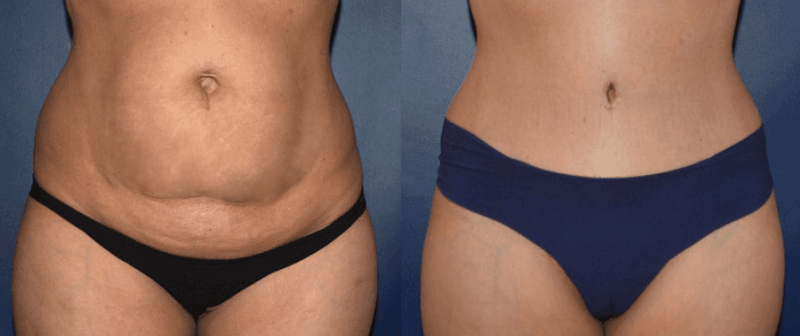
Dr. Mandell-Brown’s goal is to make your belly button look better than the one you were born with. He spends approximately 40 minutes during surgery focused solely on the belly button—carefully measuring and positioning it to ensure it appears natural, sits in the right spot on the midline of the torso, and isn’t too wide, too narrow, or off-center.
The belly button’s final position is determined by the location of the pedicle after the skin flap is lifted. Rather than placing it arbitrarily, Dr. Mandell-Brown uses the patient’s own anatomy as a guide, keeping the belly button where it naturally belongs while refining its shape and proportions.
To achieve the depth and contour that make a belly button look authentic rather than flat or “pinched,” Dr. Mandell-Brown uses advanced suturing techniques. He tacks the undersurface of the navel skin to the abdominal wall, creating a natural inward curve that mimics the look of an unaugmented belly button. This technique creates the subtle depth and shadowing that distinguish a beautiful result from one that looks obviously surgical.
While Dr. Mandell-Brown uses advanced techniques to minimize scarring, each individual’s healing is unique. Final belly button results depend on the surgeon, the patient’s tissues, and how they heal. Thus, no scarring around the navel should not be guaranteed by any reputable cosmetic surgeon.
What to Expect During Belly Button Recovery
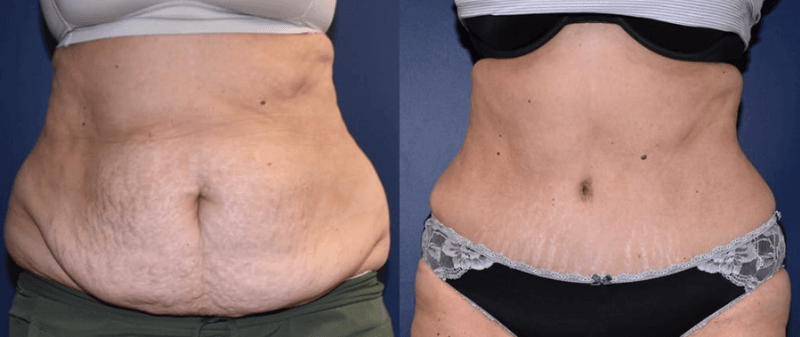
Proper aftercare plays a significant role in how your belly button heals and ultimately looks. During the first six weeks after your tummy tuck, Dr. Mandell-Brown advises patients to avoid placing any external pressure on the belly button area. Unlike some surgeons who recommend using plugs or inserts to shape the belly button during healing, Dr. Mandell-Brown relies entirely on his suturing techniques to achieve the desired result.
This approach means less fussing with your belly button during recovery—the careful surgical work does the shaping, not external devices. Patients should simply follow Dr. Mandell-Brown’s post-operative instructions, which typically include:
- Wearing a compression garment as directed to support healing and reduce swelling
- Keeping the incision area clean and dry to prevent infection
- Avoiding strenuous activities for the recommended recovery period
- Attending all follow-up appointments so Dr. Mandell-Brown can monitor your healing progress
Most patients see their belly button take its final shape within a few months as swelling subsides and the tissues settle into place.
Related reading: Will My Belly Button Still Look Natural After a Tummy Tuck?
Can a Tummy Tuck Fix an Unattractive Belly Button?
Absolutely. Many patients who come to the Mandell-Brown Plastic Surgery Center for a tummy tuck already have belly buttons that have been stretched, flattened, or distorted by pregnancy, weight changes, or simply genetics. A tummy tuck offers the opportunity to reshape and refine the belly button as part of the overall abdominal rejuvenation.
Common belly button concerns that can be addressed during a tummy tuck include:
- Stretched or widened belly buttons from pregnancy or weight gain
- Protruding “outie” belly buttons that can be refined to sit flush with the abdomen
- Flat or shallow belly buttons that lack natural depth and definition
- Asymmetrical or off-center belly buttons that don’t align with the midline of the torso
Because every patient’s anatomy is different, Dr. Mandell-Brown tailors his approach to suit individual proportions and aesthetic goals. The result is a belly button that looks natural, proportionate, and like it was always meant to be there.

“I couldn’t be more pleased with my experience with Dr. Mandell-Brown. From the very beginning, he took his time, explained everything clearly, and made me feel completely comfortable and confident in my decision. The surgery went smoothly, and my recovery was easier than I expected. His staff was excellent-professional, kind, and always helpful whenever I had a question. Most importantly, the results look very natural. I still look like myself, just refreshed and better.”
Why the Belly Button Matters When Choosing a Tummy Tuck Surgeon
When researching tummy tuck surgeons, pay close attention to the belly buttons in their before-and-after photos. A natural-looking belly button is one of the clearest indicators of surgical skill and attention to detail. Look for belly buttons that appear proportionate, well-positioned, and naturally contoured, not flat, overly round, or obviously reconstructed.
Dr. Mark Mandell-Brown is a triple board-certified plastic surgeon with more than 30 years of experience performing tummy tucks and body contouring procedures in Cincinnati and Springboro, Ohio. His meticulous approach to belly button creation is just one example of the precision and care that define his Natural Look™ results.
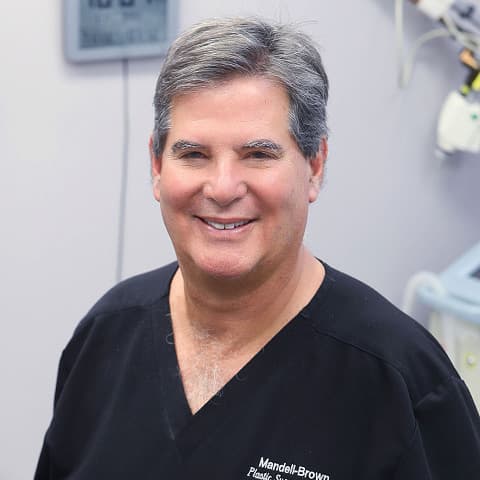
Dr. Mark Mandell-Brown
Dr. Mandell Brown is a nationally recognized, triple board-certified cosmetic surgeon with over 30 years of experience performing facial, breast, and body procedures. Known for his Natural Look™ cosmetic surgery results, Dr. Mandell-Brown has the credentials and aesthetic eye to precisely tailor your procedure and safely achieve the results you desire.
Ready to see what a tummy tuck can do for you? Schedule a consultation with Dr. Mark Mandell-Brown to discuss your goals and learn more about the procedure. Give us a call at 513-984-4700 or contact us online to get started today. Patients can visit either of our two convenient locations in Ohio: our Cincinnati office or our Springboro office.