
Nose Surgery (Rhinoplasty)
Thinking about changing your nose? You are not alone. According to several polls, 20% of Americans are dissatisfied with the appearance of their nose. Rhinoplasty or nose reshaping comes from the Greek words “rhino,” which means nose, and “plasty” which means to shape or mold. In nasal cosmetic surgery, the plastic surgeon utilizes small incisions inside the nose to reshape the underlying bone and cartilage.
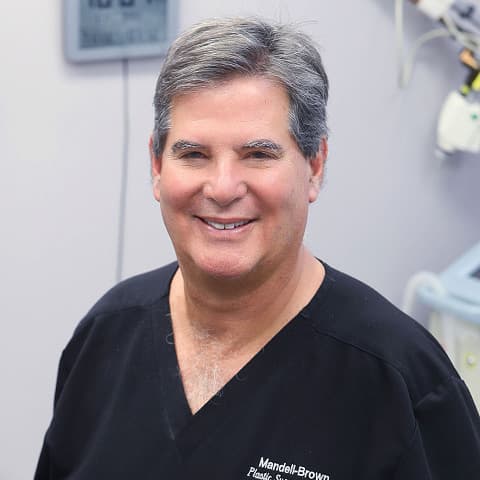
Rhinoplasty, in particular, is a cosmetic surgery procedure that requires the skills of a sculptor balanced with the aesthetic sense of an artist. According to Cincinnati Magazine, in a poll of 1500 physicians, Dr. Mark Mandell-Brown was voted the Best Cosmetic Surgeon in the Rhinoplasty category. Known for his ability to create a natural look, Dr. Mandell-Brown is the number one choice of physicians in the Tri-State area.
Dr. Mark Mandell-Brown
Dr. Mandell Brown is a nationally recognized, triple board-certified cosmetic surgeon with over 30 years of experience performing facial, breast, and body procedures. Known for his Natural Look™ cosmetic surgery results, Dr. Mandell-Brown has the credentials and aesthetic eye to precisely tailor your procedure and safely achieve the results you desire.
What is Nose Surgery?
Rhinoplasty is a surgical procedure performed not only to achieve a more balanced facial profile but also to improve or correct physiological problems. Nose surgery can reshape the tip, straighten the bridge, narrow the nostrils, as well as change the overall size and angle. It can also be performed to address birth defects and injuries. If you have a deviated septum, Dr. Mandell-Brown can perform septoplasty surgery to straighten the septum to improve breathing at the same time as the rhinoplasty is performed.
Am I an Ideal Candidate for Rhinoplasty?
You may be a good candidate for rhinoplasty if you want to give your nose a more proportionate, aesthetically pleasing appearance. The ideal candidate has realistic expectations about the procedure and isn’t seeking perfection. Although Dr. Mark Mandell-Brown is a perfectionist, the “perfect” result in cosmetic surgery is not typically attainable due to factors including inherent asymmetry, skin thickness, and individual healing. Trying to make your nose look like a favorite celebrity or influencer’s nose is also not realistic, as each individual’s facial structure is unique.
Dr. Mandell-Brown considers emotional maturity before moving forward with the procedure, but he will perform rhinoplasty surgery on suitable patients as young as 16 years old and as old as 75 years old.
Liquid Rhinoplasty
If you are not yet ready for nose reshaping surgery, a “liquid rhinoplasty,” also known as a non-surgical nose job, uses injectable dermal fillers to alter and shape the nose. During the treatment, hyaluronic acid-based fillers are carefully injected into specific areas of the nose to correct issues like small bumps, asymmetry, or to refine the nasal tip. The benefits of liquid rhinoplasty include immediate results, minimal downtime, and no surgical risks.
It’s important to note that the results of a liquid rhinoplasty are temporary, typically lasting from six months to two years, and it cannot reduce the size of the nose. Results can be maintained with touch-up injections.
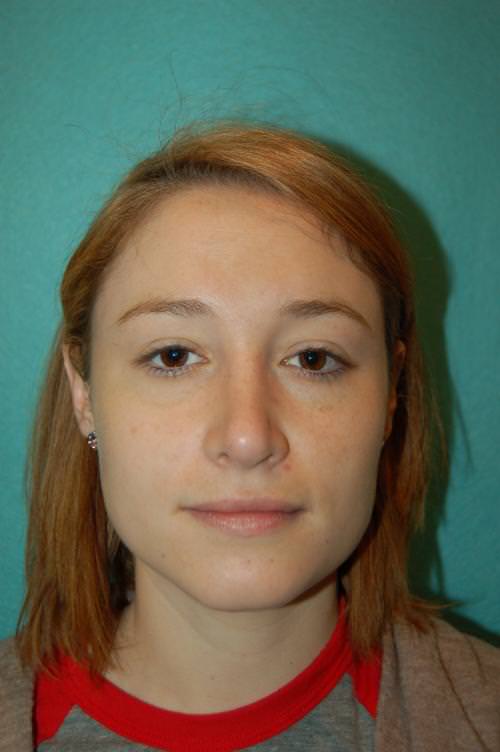
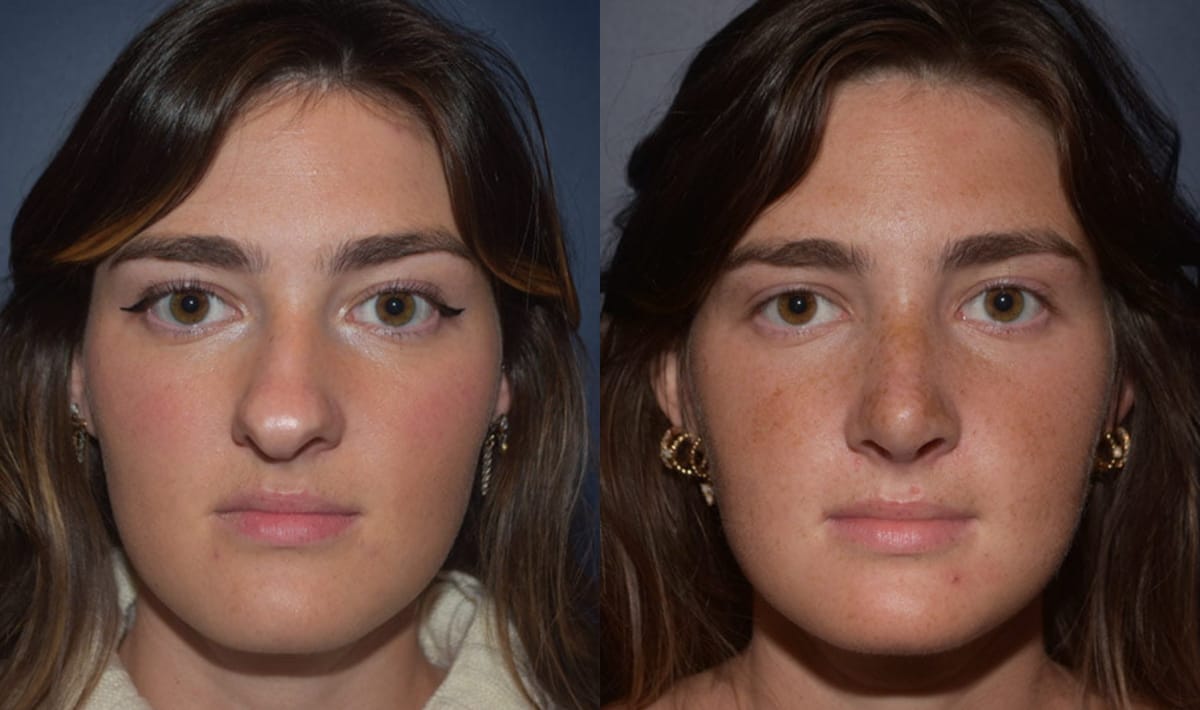
*Individual results may vary.
Your Consultation
Your consultation begins with discussing your goals, followed by a physical examination of your nose. We will also review your medical history, along with any health conditions you may have and any medications you are currently taking. Photos of your nose and profile will be taken for analysis and comparison purposes.
The key to nasal cosmetic surgery is creating a natural nose that fits your face. During the consultation, Dr. Mandell-Brown uses computer imaging to help you visualize the goals and potential outcomes of the surgery. Computer imaging can not guarantee a particular result; however, imaging does enhance communication between your goals and enables you to envision what Dr. Mandell-Brown can potentially achieve.
“Many of the revision nose surgeries we perform are for patients where the original physician did not utilize computer imaging. The physician performs what they like and the patient’s view may differ. It’s too late to discuss after surgery when the bandages are removed,” commented Dr. Mandell-Brown in a recent article for Creative Living.
Dr. Mandell-Brown was voted “Top Doctor” for Rhinoplasty in Cincinnati Magazine, January 2014 and 2015 by Tri-State Physicians, as well as a Top Doctor by Cincinnati Magazine in 2025.


Facial Proportions
When analyzing the structure and appearance of your nose, Dr. Mandell-Brown will discuss facial proportions and how the nose should fit naturally with your face. For example, Leonardo Da Vinci and Michaelangelo gave us aesthetic facial proportions for beauty and harmony that we still use today. Did you know that your nose can look more proportional if it is approximately the same width as your eye? Or that from the base view of your nose looking at your nostrils, the nose should have a shape similar to an equilateral triangle? The tip of the nose should be at a 90-degree angle for men and 95 degrees from the upper lip in women, as seen on the side view (profile). Dr. Mandell-Brown will discuss these proportions during your consultation.

“I had a life long dream to have my nose “fixed” and I am so happy that, when I was ready, my research led me to Dr. Mandell-Brown’s practice. I think he would agree my nose was a special challenge, but in the end, patience with the process and Dr. Mandell-Brown’s considerable artistic sense resulted in an improvement beyond my expectations. I still look like me, just much better! And you couldn’t ask for a more helpful and knowledgable support team assisting along the way.”
The Rhinoplasty Procedure
The nose surgery procedure starts with administering anesthesia: typical anesthesia is IV sedation (“Twilight Anesthesia”) or general anesthesia in some cases. Markings may be made on the nose to outline the needed changes.
Incisions are made inside the nose, and tissues will be removed or repositioned until the desired results are achieved. The whole procedure can take between one to two hours or more, depending on the complexity of the surgery.
It is critical with nasal surgery to maintain or improve the nasal airway. Function and appearance are important for successful rhinoplasty, and with newer techniques, recovery is quicker and easier. With one of Dr. Mandell-Brown’s techniques, packing the nose is not required, and bruising is reduced by carefully following all nose surgery pre-operative care instructions, vitamin supplementation, and post-operative care.
Open vs. closed rhinoplasty
Dr. Mandell-Brown prefers to only use incisions made inside the nose, which are hidden. This technique is called closed rhinoplasty. The surgery is performed at our state-licensed and nationally accredited AAAHC surgery center for your comfort, safety, and privacy.
Some surgeons routinely make incisions on the outside or underside of the nose, but only in certain revision cases does Dr. Mandell-Brown recommend the columella or outside incision and an open rhinoplasty procedure. This is called an open rhinoplasty.
“I feel happy! I don’t know how Dr. Mandell-Brown managed to get so many genuinely nice people into one building. I’m trying to figure out how to praise you, him, and the rest of the staff all over the internet. You of course have been the most patient and helpful…I am so glad I found this office!”
Recovery and Healing
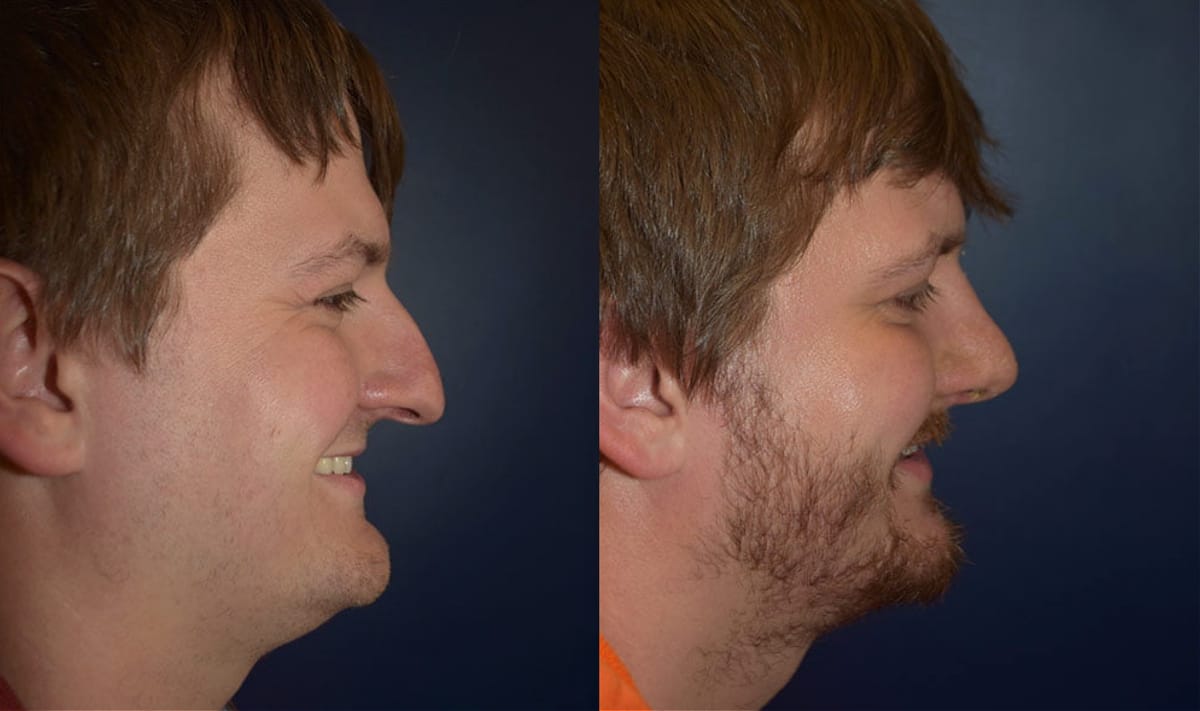
After your rhinoplasty surgery, recovery typically takes one week. A splint may be applied to protect the nose and help support the nose’s new shape as it heals. It is fairly common to experience bleeding, swelling, and bruising for the first few days, and these effects will gradually subside as you recover. You may have temporary headaches and pain, which can be alleviated with pain medications we will prescribe. Most patients can return to work or school after 7-10 days, although swelling may take several months to completely resolve.
You should not blow your nose for the first 10 days, and avoid excessive chewing, laughing, smiling, and vigorous teeth brushing for the first six weeks of recovery. You will also need to sleep on your back, avoid strenuous exercise, and not rest eyeglasses or sunglasses on your nose during this time.
The determining factor for the final result depends on your skin; the thinner the skin, the more dramatic the result. For those with thicker skin, the underlying changes to the cartilage and bone will be less dramatic, so realistic goals are important to ensure you are happy with your results.
How much does rhinoplasty cost?
The cost of rhinoplasty surgery largely depends on the amount of work that needs to be done. The overall price can be affected by anesthetic and surgical fees incurred, as well as any other included procedures. When breathing problems exist, or a recent nasal injury has occurred, insurance coverage may help reduce rhinoplasty costs. This can be determined at the time of your consultation. The consult fee is $100.00, and typical surgery costs range from $4500 to $9500 for surgeon fees.
More rhinoplasty information- Rhinoplasty FAQs
- Rhinoplasty Preop Info
- The 10 Elements of Amazing Rhinoplasty
- Rhinoplasty Before and Afters: What to Look For
- Can rib cartilage by used during rhinoplasty?
- Patients Look Young After Nose Surgery, Study Finds
- Revision Rhinoplasty
- FTM Top Surgery
- MTF Breast Augmentation
- Brow Lift
- Ear Surgery (Otoplasty)
- Eyelid Surgery (Blepharoplasty)
- Facelift (Rhytidectomy)
- Forehead Lift
- Mid Facelift
- Quick Face Lift
With offices in Springboro and Cincinnati, patients from the Dayton, Northern Kentucky, and Cincinnati area can arrange a consultation with Dr. Mandell-Brown. A patient coordinator can answer basic questions; however, during the consultation, Dr. Mandell-Brown will spend 45 minutes to an hour reviewing the options, his professional recommendations, and aftercare guidelines so you can make an informed choice.
Call (513) 984.4700 or (937) 260-4405, or contact us online, to get started today!
Areas Served
Medically reviewed by Dr. Mark Mandell-Brown — Updated on Mar 20, 2025